TECHNICAL DEBT REMEDIATION & APPLICATION MODERNIZATION
Transforming Legacy On-Premise Software into Scalable Cloud Architectures
Modernize brittle client-server architectures, legacy monolithic ERPs, and outdated bespoke databases into resilient, cloud-native microservices with Routeget’s legacy modernization practice.
- Legacy Technical Debt Remediation
- Mainframe & AS400 Modernization
- Monolith to Microservices Decoupling
- Automated Database Refactoring
- Zero-Downtime Cloud Migration
STRATEGIC PERSPECTIVE
The Modernization Imperative: Escaping the Legacy Software Trap
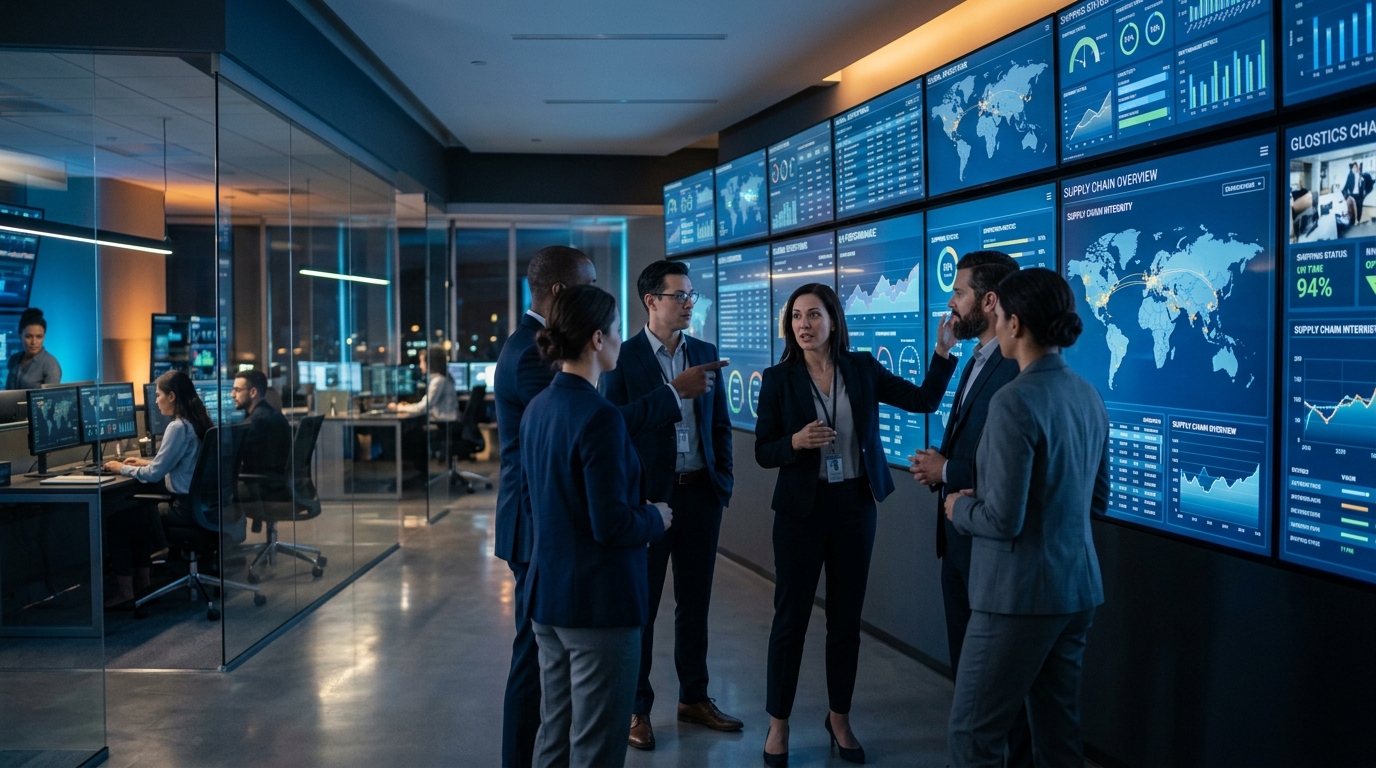
Strategic Imperative: Aging legacy software drains up to 80% of enterprise IT budgets on routine maintenance while exposing organizations to severe security vulnerabilities and talent attrition.
Across the global enterprise landscape, mission-critical business operations remain shackled to legacy on-premise software developed ten, twenty, or even thirty years ago. These legacy systems—ranging from green-screen AS400 applications and client-server Visual Basic/.NET desktop tools to monolithic on-premise ERPs—present immense operational risk. They are difficult to secure, impossible to scale flexibly, and dependent on an aging developer demographic that is rapidly retiring.
Routeget’s Legacy Software Modernization Practice delivers predictable, risk-mitigated pathways to liberate core business logic from outdated technology stacks. Rather than recommending risky, disruptive ‘rip-and-replace’ strategies, our Principal Architects employ proven incremental decoupling patterns, such as the Strangler Fig pattern, anti-corruption layers, and event-driven data streaming.
We systematically refactor legacy codebases into modern cloud-native architectures hosted on Microsoft Azure and modern containerized platforms. We preserve decades of embedded business rules, migrate terabytes of historical data with zero corruption, and deliver high-performance, mobile-responsive web frontends that empower modern digital workforces.
CORE ARCHITECTURAL PILLARS
Comprehensive Legacy Modernization Methodologies
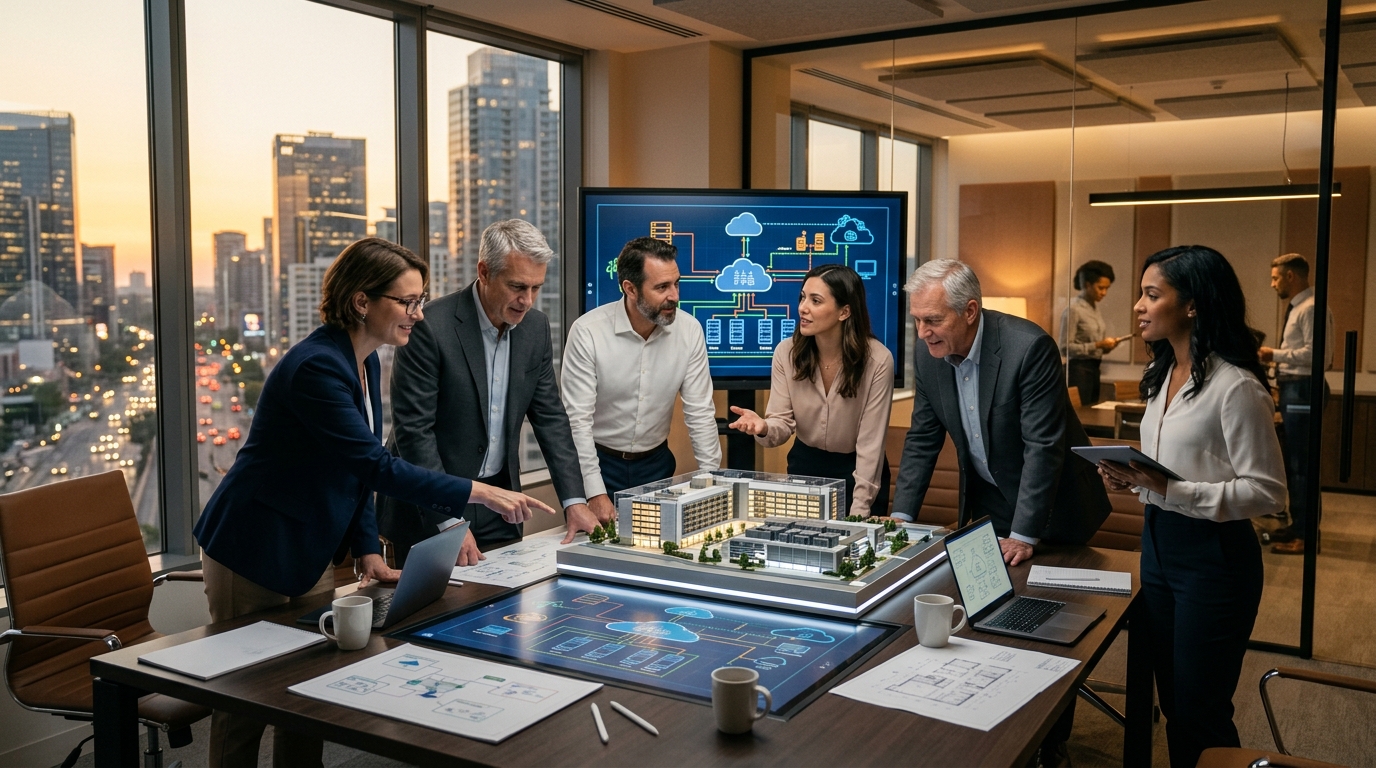
The four foundational architectural approaches utilized by Routeget to modernize mission-critical enterprise systems.
Monolith Decoupling
Monolith to Microservices Decoupling & API Enablement
Deconstructing monolithic codebases into independently deployable, containerized microservices.
Pillar 01 Scope & Governance
Database Modernization
Automated Database Schema Refactoring & Data Migration
Migrating legacy relational databases (SQL Server 2008, Oracle 9i, DB2) to modern cloud data platforms.
Pillar 02 Scope & Governance
Frontend Modernization
Desktop to Cloud-Native Responsive Web Frontends
Replacing clunky desktop UI (WPF, WinForms, Visual Basic) with lightning-fast, responsive web interfaces.
Pillar 03 Scope & Governance
Security & DevOps
Zero-Trust Security & Automated CI/CD Pipelines
Hardening legacy applications against modern cyber threats and establishing automated delivery pipelines.
Pillar 04 Scope & Governance
TECHNICAL SPECIFICATIONS & SLA COMMITMENTS
Detailed Architecture Specifications & Delivery Governance
Comprehensive functional requirements, implementation guardrails, and enterprise SLA obligations across all operating pillars.
Monolith to Microservices Decoupling & API Enablement — Detailed Specifications
- Strangler Fig Architecture: Incrementally intercepting legacy traffic and routing to new cloud microservices with zero business disruption.
- Anti-Corruption Layers: Engineering modern REST/GraphQL gateways that insulate new applications from legacy schema idiosyncrasies.
- Event-Driven Streaming: Utilizing Kafka and Azure Service Bus to propagate state changes between legacy databases and modern apps.
- Containerization with Docker & AKS: Packaging refactored services into Docker containers orchestrated via Azure Kubernetes Service.
Automated Database Schema Refactoring & Data Migration — Detailed Specifications
- Automated Schema Transformation: Converting complex stored procedures, triggers, and views into modern cloud-native SQL or microservice logic.
- Change Data Capture (CDC): Streaming real-time database transactions to cloud data lakes with zero performance impact on live OLTP.
- Zero-Downtime Data Cutover: Parallel synchronization ensuring historical and transactional consistency prior to final cutover weekend.
- Data Cleansing & Deduplication: Automated algorithms cleansing legacy data corruption, invalid characters, and redundant customer records.
Desktop to Cloud-Native Responsive Web Frontends — Detailed Specifications
- Modern Web Frameworks: Re-engineering user interfaces in Next.js, React, and TypeScript with consumer-grade aesthetics.
- WCAG 2.1 AA Accessibility: Ensuring modern web frontends comply fully with international accessibility standards.
- Mobile & Tablet Parity: Enabling field staff and remote employees to access core systems securely from mobile devices.
- Zero-Install Deployment: Eliminating endpoint desktop software distribution, updates, and compatibility conflicts permanently.
Zero-Trust Security & Automated CI/CD Pipelines — Detailed Specifications
- Identity Modernization: Replacing hard-coded database logins with Microsoft Entra ID (Azure AD), SSO, and mandatory MFA.
- Infrastructure as Code (IaC): Automating cloud environment provisioning using Terraform, Bicep, and GitHub Actions CI/CD pipelines.
- Continuous Vulnerability Scanning: Integrating automated SAST/DAST security scanning into build pipelines to eliminate code vulnerabilities.
- 24/7 Cloud Observability: Full application performance monitoring (APM) using Azure Monitor, Application Insights, and Grafana.
DELIVERY METHODOLOGY
The Routeget Legacy Modernization Progression
Our structured 4-phase modernization roadmap delivering continuous business value without high-risk cutovers.
Phase 01
eXplore & Audit
Forensic evaluation of legacy systems, integration dependencies, security posture, and workflow bottlenecks.
Deliverable: Comprehensive Technical Debt Audit & Modernization Charter
Phase 02
Design & Architect
Formulation of target-state cloud architecture, unified data schemas, and governance controls.
Deliverable: Target Architecture Blueprint & Migration Roadmap
Phase 03
Realize & Implement
Agile, sprint-driven implementation featuring automated CI/CD pipelines, zero-downtime cutovers, and UAT.
Deliverable: Validated Production Deployment & Cutover Sign-Off
Phase 04
Impact & Optimize
Hypercare transition, automated telemetry monitoring, proactive tuning, and SLA-governed support.
Deliverable: Continuous SLA Governance & Value Realization Scorecard
QUANTIFIABLE IMPACT
Measurable Business Outcomes & Performance Metrics
Quantifiable operational enhancements achieved through disciplined architecture, automated governance, and cloud optimization.
Reduction in manual processing workflows across business units
Enterprise cloud reliability backed by multi-region redundancy
Accelerated turnaround through unified real-time data models
End-to-end immutability across regulatory and financial records
EXECUTIVE FAQ
Strategic Clarity & Enterprise Architecture FAQ
Critical architectural, operational, and licensing considerations for executive leadership and steering committees.
Why does Routeget recommend incremental modernization over complete 'rip-and-replace'?
How do you extract business rules when original developers are no longer available and documentation is missing?
What happens to historical data during a legacy database migration?
How does cloud modernization improve enterprise cybersecurity?
ENTERPRISE TRANSFORMATION
De-Risk Your Legacy Software Modernization Today
Schedule a complimentary Legacy Modernization Code Audit with Routeget’s Principal Enterprise Architects to evaluate your codebase and map a phased roadmap.