ADVANCED BIOMEDICAL & NEUROMORPHIC ENGINEERING
Pioneering Bionics and Biologically Inspired Enterprise Systems Engineering
Harness the power of biomimetic algorithms, neuromorphic computing, medical bionics telemetry, and advanced sensory feedback systems engineered for healthcare, robotics, and industrial automation.
- Biomimetic Systems Engineering
- Medical Bionics Telemetry
- Neuromorphic Computing Architectures
- Sensory Feedback Integration
- ISO 13485 Medical Device Standards
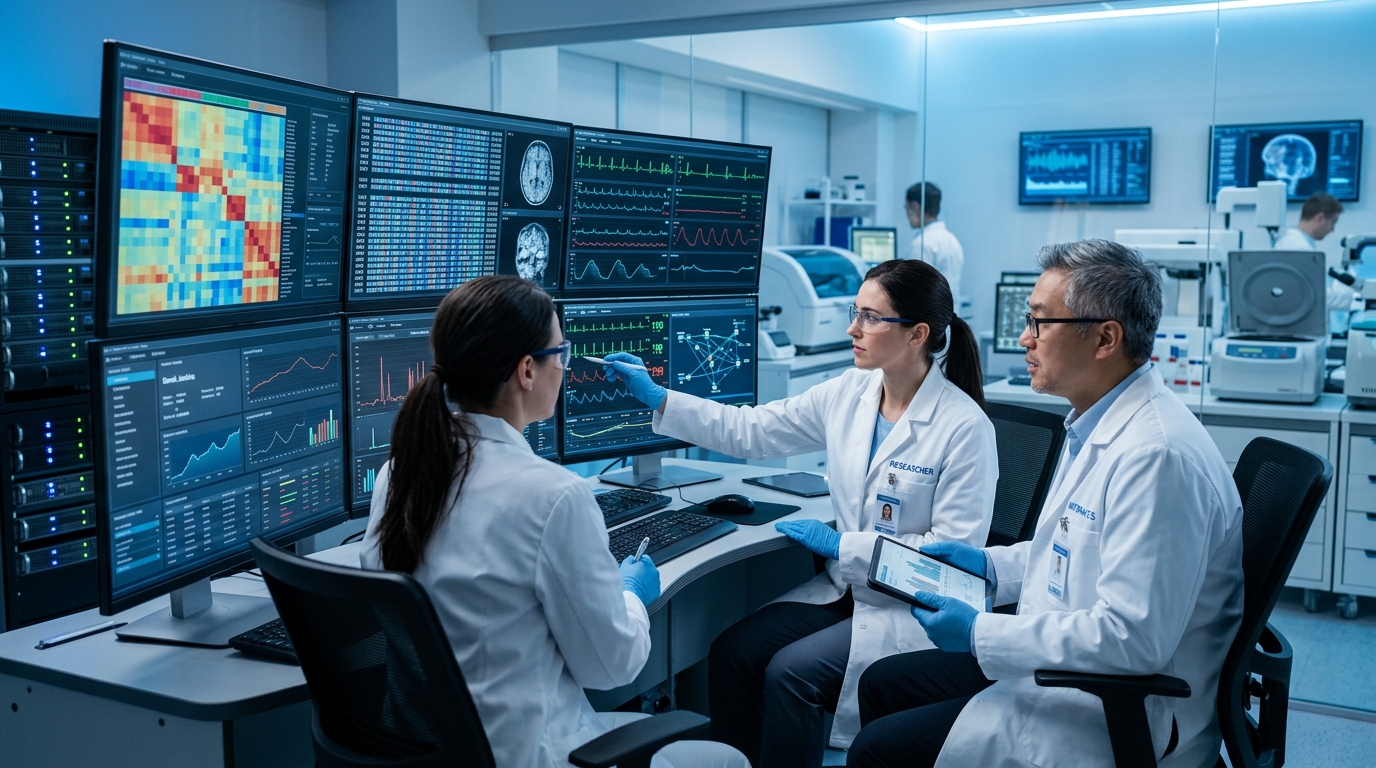
STRATEGIC PERSPECTIVE
The Biomimetic Mandate: Engineering Systems Modeled on Nature's Efficiency
Strategic Imperative: Nature has spent billions of years optimizing mechanical, sensory, and computational architectures. Bionics applies biological principles to solve humanity’s most complex engineering and healthcare challenges.
Traditional engineering approaches frequently rely on brute-force computational power and rigid mechanical structures. In contrast, biological systems exhibit astonishing energy efficiency, fault tolerance, sensory adaptability, and self-healing resilience. The discipline of bionics—or biologically inspired engineering—bridges the natural and artificial worlds, translating organic principles into next-generation technology systems.
Routeget’s Advanced Bionics & Biomedical Engineering Practice collaborates with medical device innovators, research institutes, industrial robotics manufacturers, and healthcare networks to engineer cutting-edge bionic systems. Our multidisciplinary engineering teams combine deep expertise in neuromorphic signal processing, bio-telemetry cloud streaming, prosthetic sensory feedback loops, and biomimetic algorithmic design.
From architecting cloud IoT telemetry platforms that monitor advanced neural bionic prosthetics in real-time to deploying neuromorphic vision algorithms that enable industrial robots to navigate unpredictable physical environments with biological reflexes, Routeget engineers systems that expand human physical potential and redefine industrial efficiency.

CORE ARCHITECTURAL PILLARS
Advanced Bionics Engineering Domains & Capabilities
The four foundational pillars of Routeget’s biomimetic and advanced biomedical systems engineering practice.
Medical Bionics
Medical Prosthetics Telemetry & Neural Interfaces
Engineering secure cloud telemetry and signal processing backends for next-generation myoelectric and neural bionic prosthetics.
Pillar 01 Scope & Governance
Biomimetic Robotics
Biomimetic Industrial Robotics & Adaptive Locomotion
Developing adaptive control algorithms modeled on animal locomotion and insect swarm intelligence for robotics.
Pillar 02 Scope & Governance
Neuromorphic AI
Neuromorphic Computing & Event-Based Vision
Implementing event-driven, brain-inspired computing architectures that deliver high-speed perception at milliwatt power.
Pillar 03 Scope & Governance
Regulatory Compliance
Medical Device Software Standards & Clinical Verification
Ensuring bionic software and cloud backends adhere to rigorous international medical device regulatory standards.
Pillar 04 Scope & Governance
TECHNICAL SPECIFICATIONS & SLA COMMITMENTS
Detailed Architecture Specifications & Delivery Governance
Comprehensive functional requirements, implementation guardrails, and enterprise SLA obligations across all operating pillars.
Medical Prosthetics Telemetry & Neural Interfaces — Detailed Specifications
- Myoelectric Signal Processing: Real-time filtering and machine learning classification of electromyographic (EMG) muscle signals.
- Secure Medical IoT Telemetry: Ultra-low-power Bluetooth and cellular streaming transmitting device performance metrics to Azure Health Data Services.
- Sensory Feedback Loops: Algorithmic encoding of tactile pressure sensor data into electrical neural stimulation patterns for sensory restoration.
- Remote Calibration Portals: Clinician web portals enabling orthotists and physicians to adjust prosthetic motor parameters remotely.
Biomimetic Industrial Robotics & Adaptive Locomotion — Detailed Specifications
- Adaptive Gait Planning: Reinforcement learning models enabling legged robots to traverse unstable rubble and steep terrain autonomously.
- Soft Robotics Control: Mathematical modeling and pneumatics control for compliant, soft-gripper robotic end-effectors handling fragile goods.
- Swarm Coordination: Decentralized peer-to-peer algorithms enabling autonomous drone fleets to coordinate search-and-rescue operations.
- Energy Optimization: Biomimetic regenerative mechanical damping recovering kinetic energy during robotic movement cycles.
Neuromorphic Computing & Event-Based Vision — Detailed Specifications
- Spiking Neural Networks (SNN): Developing temporal neural networks modeled on biological synapses for micro-power edge devices.
- Event-Camera Processing: Processing asynchronous dynamic vision sensor (DVS) data streams with microsecond motion tracking precision.
- Edge Anomaly Detection: Sub-millisecond vibration and acoustic anomaly detection in heavy industrial machinery.
- Extreme Low-Power Edge AI: Deploying neuromorphic models on specialized edge processors consuming 90% less energy than GPUs.
Medical Device Software Standards & Clinical Verification — Detailed Specifications
- ISO 13485 & IEC 62304 Compliance: Software development life cycle (SDLC) conforming to strict medical device software safety standards.
- FDA 510(k) & CE Mark Documentation: Comprehensive design history files (DHF), risk management logs (ISO 14971), and traceability matrices.
- Cybersecurity Hardening: Protecting medical devices against tampering adhering to FDA post-market cybersecurity guidance.
- Clinical Trial Data Verification: Cryptographically verified data capture pipelines ensuring integrity during clinical evaluation studies.
DELIVERY METHODOLOGY
The Routeget Bionics Engineering Lifecycle
Our rigorous 4-stage engineering methodology from biological synthesis to certified clinical deployment.
Phase 01
eXplore & Audit
Forensic evaluation of legacy systems, integration dependencies, security posture, and workflow bottlenecks.
Deliverable: Comprehensive Technical Debt Audit & Modernization Charter
Phase 02
Design & Architect
Formulation of target-state cloud architecture, unified data schemas, and governance controls.
Deliverable: Target Architecture Blueprint & Migration Roadmap
Phase 03
Realize & Implement
Agile, sprint-driven implementation featuring automated CI/CD pipelines, zero-downtime cutovers, and UAT.
Deliverable: Validated Production Deployment & Cutover Sign-Off
Phase 04
Impact & Optimize
Hypercare transition, automated telemetry monitoring, proactive tuning, and SLA-governed support.
Deliverable: Continuous SLA Governance & Value Realization Scorecard
QUANTIFIABLE IMPACT
Measurable Business Outcomes & Performance Metrics
Quantifiable operational enhancements achieved through disciplined architecture, automated governance, and cloud optimization.
Reduction in manual processing workflows across business units
Enterprise cloud reliability backed by multi-region redundancy
Accelerated turnaround through unified real-time data models
End-to-end immutability across regulatory and financial records
EXECUTIVE FAQ
Strategic Clarity & Enterprise Architecture FAQ
Critical architectural, operational, and licensing considerations for executive leadership and steering committees.
What is the difference between conventional AI and neuromorphic computing in bionics?
How does Routeget assist medical device manufacturers in achieving FDA 510(k) clearance?
How do sensory feedback loops work in advanced upper-limb bionics?
Can biomimetic robotics algorithms be applied to standard commercial warehouse robots?
ENTERPRISE TRANSFORMATION
Partner with Routeget's Advanced Bionics Engineering Practice
Explore collaborative research, medical device software engineering, or biomimetic robotics development with our Senior Principal Engineers.