

Construction management software is something of a necessity in today’s construction industry. From bread-and-butter accounting features to its advanced reporting capabilities, the software usually provides a significant return on investment.
But like any investment, you want to gain the most value from your construction management software as possible. Here’s how to achieve exactly that.

1. Standardise data entry
Standardising data entry isn’t particularly exciting, but it’s critical if you’re to make full use of your software’s reporting capabilities. Without a standardised approach to data entry, you risk filling your software’s database with low quality data; with hundreds of inconsistencies, missing values, and duplicate entries disrupting your reports.
Going back through old data and correcting these mistakes is incredibly time consuming. It’s far easier to ensure that the data you enter into the system is complete and in a standardised format. By taking the extra time to input the data correctly initially, you’ll benefit from accurate reporting later, helping you make important business decisions with confidence.
2. Try out new features
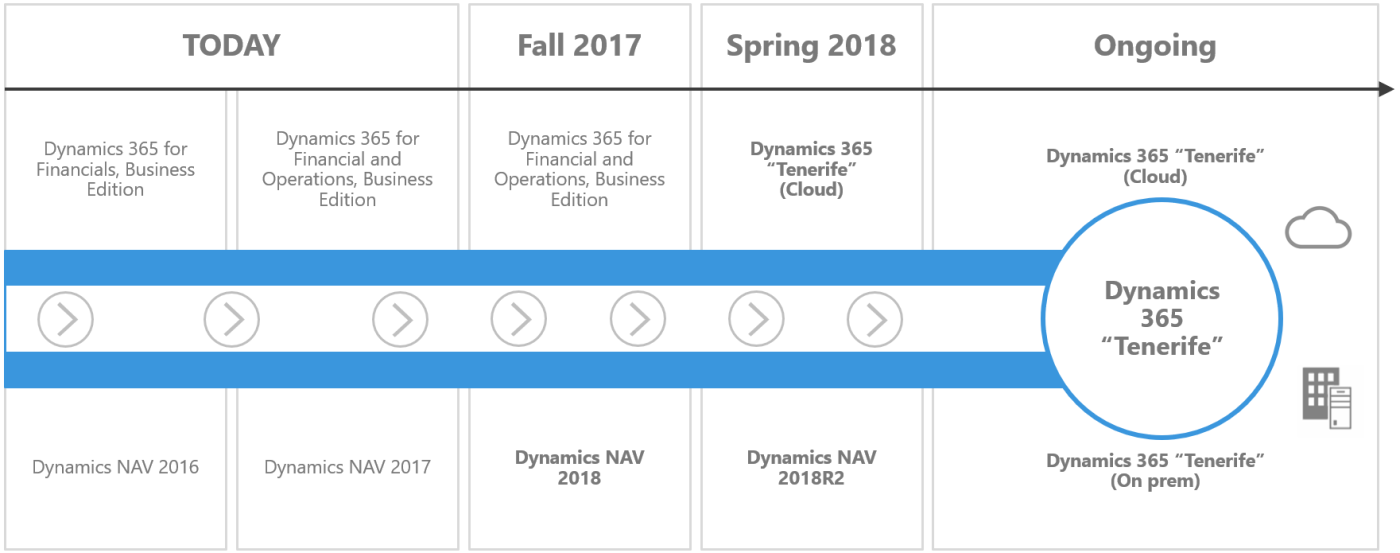
You may be comfortable with the way you currently use the software, but by ignoring other features – and in particular, new features – you may not be gaining full value from the software. The nature of all-in-one software means that the more features you use, the more value you gain from the software. With no need to duplicate or copy across data between different modules, there’s little to lose when trying out new features.
Of course, some additional modules will come at a cost – but don’t dismiss them just because of it. Look into how these added extras could benefit your business.
3. Work with your account manager and customer services
It’s important to build a strong relationship with your account manager and the customer service team. Don’t just communicate when something goes wrong – be sure to accept any visits from customer service as this could help you in the future.
Explain how you currently use the software and shine a spotlight on any concerns you have. Your account team can then suggest solutions to your problems, as well as letting you know about any upcoming software updates that could resolve these issues.
4. Attend webinars
If your software provider hosts webinars, do your best to attend – or view the recordings after the event (Integrity Software customers can find these on the Knowledge Base). Webinars usually focus on legislative changes and how they impact software use, so you have much to gain from them!
5. Keep training
The quick primer you give to new users shouldn’t be the extent of your software training. It’s important to refresh your software knowledge, either by training users in house, or booking sessions led by your software provider.
I also recommend showing users how other features within the software work – even if they aren’t personally responsible for them. For example, you can show staff how data entry in one department is pulled through to other areas of the software and used for reporting. This approach helps staff understand the wider usefulness of the software and how it helps the company thrive.
Intelligent Automation & Enterprise AI Governance
Deploying advanced cognitive automation and intelligent algorithmic systems across enterprise operations demands a disciplined equilibrium between automated efficiency and institutional accountability across every departmental touchpoint. Organizations advancing automation maturity must first establish the integrity, security, and traceability of underlying operational data pipelines before deploying autonomous execution engines into mission-critical workflows. Instituting explicit ethical guidelines, human-in-the-loop exception checkpoints, and granular audit logging frameworks ensures automated system outputs remain thoroughly transparent, verifiable, and compliant with evolving international regulatory mandates. Without standardized data engineering foundations, automation initiatives inevitably risk accelerating legacy operational inconsistencies across interconnected business units.
Sustainable automation scale demands a centralized center of excellence that seamlessly integrates systems engineering with frontline business domain expertise throughout project lifecycles. By maintaining continuous visibility into cycle times, operational throughput, and process exception rates, management teams can systematically prioritize high-value business processes for iterative architectural optimization. Concurrently investing in human-centric change enablement and structured workforce upskilling empowers personnel to transition from mechanical administrative routines to high-impact strategic advisory responsibilities. This collaborative operating philosophy ensures enterprise automation delivers sustainable productivity gains, enhanced auditability, and measurable competitive differentiation.




No comment yet, add your voice below!