

Our customers in the Apparel and Textile Manufacturing industry continue to face numerous challenges especially as production becomes more decentralized and complex, and expanding global supply chains make it difficult to manage and maintain product control. While all of these issues are not going away, our customers are learning to embrace change and turn these challenges into opportunities.
One way they are doing this is by investing in ERP technology like Microsoft Dynamics 365, which is ideal for helping apparel and textile manufacturers gain greater end-to-end control and the visibility they need to drive greater profitability.
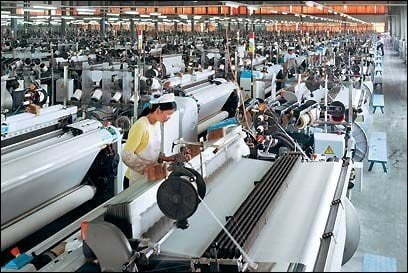
Here are the top 5 reasons why our Apparel and Textile Manufacturing customers choose Microsoft Dynamics 365:
1. Multi-dimensional item management
With no customization required, Microsoft Dynamics 365 natively handles style, color, size. Sounds simple, but anyone who has tried to fit this concept into the typical “part number” item technique of a traditional ERP solution knows how big of a deal this is. The system comes with item number (think style) and four additional dimensions. This allows for multiple size scales, configuration dimensions like packaging, in addition to the standard color and size requirements. This concept extends also to every type of item such as raw materials, roll goods, cut parts, and findings. Each type of item can employ a different configuration of dimensions, which is exactly what this vertical need in an ERP system.
2. One Solution to Manage a Global Business
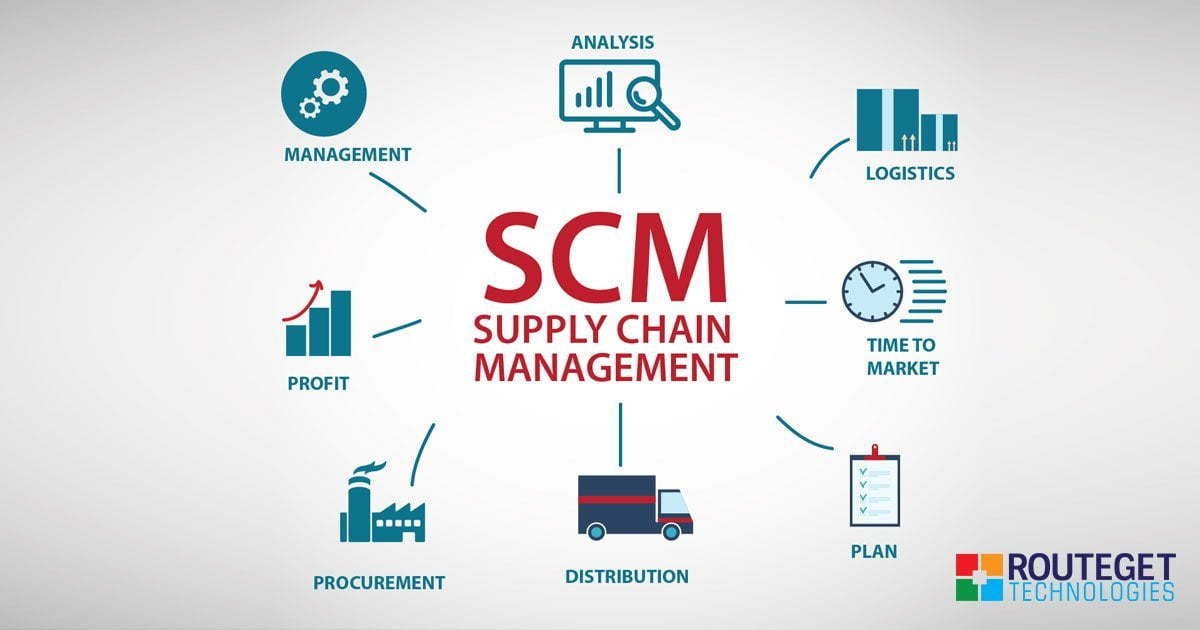
In today’s market, almost all apparel and textile manufacturers are doing business in multiple countries and regions across the world. Because of this, the supply chain has become much more difficult for manufacturers to manage while maintaining costs and customer service. One huge advantage of Microsoft Dynamics 365 is that it can support global business processes from a single-instance of the software. Multiple currencies, time zones, languages, and compliance with multiple banking and reporting standards can all be managed from one solution, helping to provide consistency and standardization across various business entities around the world.
3. Multi-channel Management
Whether it’s through retail, wholesale or e-commerce, most apparel and textile manufacturers today use multiple channels to sell their products. Due to this increased channel complexity, companies need to be able to manage and optimize the supply chain and inventory across these channels more effectively.
Microsoft Dynamics 365 integrates multi-channel selling directly into the ERP solution. Wholesale, retail, and e-commerce live side-by-side within the application, intelligently sharing inventory, customer information, and supply chain visibility. This concept provides a powerful platform to service the customer in an integrated manner that optimizes a company’s resources.
4. Supply Chain Visibility and Collaboration
Apparel and textile supply chains are difficult to model. Global in nature, with multiple levels of manufacturing required, they stress the capability of even the most robust ERP solutions. Microsoft Dynamics 365 really shines by handling complex supply chains. From a sophisticated multi-site model that handles lead time variation, different vendor sourcing models, and multiple raw material suppliers, Microsoft Dynamics 365 can keep up with the demanding needs of our customers.
5. It works like a Microsoft product
Last but definitely not least, the product works like all of the other Microsoft products that are familiar to our customers. This speeds up training, makes users comfortable with the system, and leverages the tools they already use like EXCEL and Exchange. In the end, this saves our customers money and insures a low total cost of ownership.

Interested in learning how Microsoft Dynamics 365 can help you?
Contact our team
of ERP experts at Routeget Technologies to learn more and be sure to follow us on
, like us on
or connect with us on
.
Routeget Technologies is a global provider of the Microsoft Dynamics ERP solution for mid-to-large and enterprise corporations. We specialize in the manufacturing, distribution, and retail industries, and vertically focused on consumer packaged goods (textiles, apparel, footwear, and furniture). Be sure to visit us at www.routeget.com for more information.
Enterprise Architecture & ERP Implementation Governance
Transitioning complex organizational workflows into scalable ERP modernization architectures requires systematic alignment between core operational processes and underlying digital infrastructure across all operating subsidiaries. When executing enterprise deployments within intricate multi-entity business environments, organizations must rigorously prioritize data normalization, chart-of-accounts standardization, and unified telemetry architectures. Establishing resilient, pre-configured integration boundaries across legacy application estates directly eliminates technical debt while ensuring end-to-end data integrity across high-frequency transactional lifecycles. Cross-functional governance committees—uniting financial controllers, supply chain leaders, and enterprise technical architects—remain indispensable for maintaining strict configuration discipline and curbing procedural fragmentation across regional operating units.
Beyond core transactional execution, enduring platform longevity depends on deliberate organizational enablement and continuous operational validation across all stakeholder tiers. Implementing isolated sandbox environments, automated regression testing frameworks, and formalized release cadence protocols enables business units to absorb continuous platform enhancements without introducing unexpected downtime or operational friction. Enterprises that deliberately pair proactive telemetry monitoring with targeted role-based training programs consistently achieve accelerated user adoption, compress post-go-live stabilization horizons, and maximize the long-term return on strategic technology investments. This disciplined operating model provides the institutional agility needed to scale operations predictably.





No comment yet, add your voice below!