

Plant and equipment are essential to the completion of every construction job. Plant is also one of the biggest costs in construction companies’ accounting systems, yet many businesses fail to manage plant efficiently.
This applies to plant you own, and hired plant. Revisiting your approach to plant management could help you reduce costs and complete projects more efficiently.

Today’s construction accounting software often features plant management modules. Here are some of the ways you might use these modules, or similar software, to benefit your construction company.
#1 Assign plant efficiently
First of all, it should be easy for all relevant staff to determine the availability of plant at any given time. While paper records might have worked in the past, now that we have software to take advantage of, it’d be foolish to ignore them. You can create your own spreadsheet with a list of plant and their relevant details (including availability), but specialist software that’s integrated with the rest of your accounts will make this task easier.

In a few clicks, you should be able to view the current location of plant and its present and future availability. You should easily be able to search to determine when the plant you need for a certain project is available. This function will speed up the planning process and reduce the chance of mistakes being made. It’s particularly valuable for larger construction companies who may be operating at dozens of locations simultaneously, with multiple yards and depots for plant storage.
#2 Track costs
Keep track of depreciation, insurance costs, storage costs and operating costs in your plant management module (or spreadsheet). Assign these variable and fixed costs to the relevant plant. If you use a built-in plant management module with your accounts system, plant costs will automatically be associated with the relevant contract, providing increased visibility of the true costs of every contract.
Additionally, with improved cost visibility and a database of plant that’s easy to sort and filter, you’ll be able to monitor rising costs more effectively. For example, you can see which plant items have had the biggest repair bill over the past twelve months and might need replacing with more reliable plant.
#3 Maintenance
Thorough and systematic maintenance of plant is vital, not just for health and safety reasons, but to improve reliability and cut the cost and frequency of repair work. Under UK law, you must have a maintenance system in place that ensures plant is safe to use. You must identify hazards for each plant item, and how they might be avoided through maintenance and inspections.
Carrying out maintenance during downtime is ideal – your plant management module can show you availability and help you plan maintenance. This is particularly useful if specialist contractors are required to carry out checks and repair work for you. Also, software will let you look ahead and see when inspections are due, helping you plan future projects around maintenance requirements.
Executive Takeaways & Long-Term Value Realization
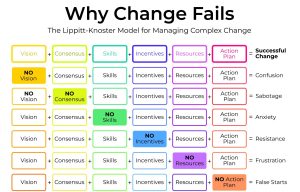
Orchestrating sustainable corporate transformation requires decisive executive leadership capable of harmonizing high-level strategic board mandates with practical operational execution across all core operating divisions. Major enterprise initiatives frequently encounter friction not from technological constraints, but from fragmented departmental communications, misaligned performance incentives, and unaddressed cultural resistance to procedural evolution across business units. By articulating transparent programmatic milestones, unified performance dashboards, and shared ownership structures across departmental boundaries, leadership teams build the organizational clarity necessary to navigate complex modernization initiatives decisively, predictably, and with minimal operational friction.
Achieving enduring commercial leadership in dynamic market environments necessitates treating organizational agility and human capital development as essential core corporate capabilities. Establishing open operational feedback loops, celebrating iterative program successes, and delivering tailored professional development tracks empowers enterprise teams to adapt to market disruptions proactively and confidently across every functional tier. Enterprises that champion methodical execution, continuous innovation, and cross-functional synergy consistently outperform industry peers in operational productivity, employee retention, and overall customer satisfaction across competitive global markets worldwide. This unified cultural discipline ensures organizational stability throughout broad technological modernization journeys. This structured alignment provides the operational stability required for enduring digital maturity.




No comment yet, add your voice below!