


Big news for the Dynamics community! Microsoft just announced the Dynamics 365 Spring 2018 release, and it comes with many major changes.
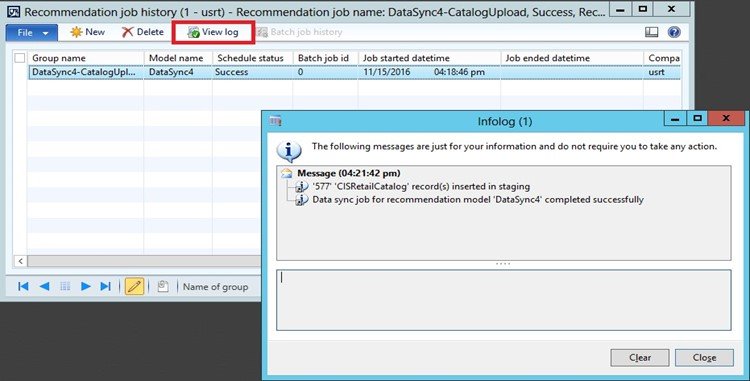
Dynamics 365 Spring 2018 release – main changes
For the Dynamics 365 Spring 2018 release, Microsoft promises major improvements in three areas:
- Adjusting the Dynamics 365 applications so that they will work together better across all business processes. Rather than a combination of separate applications, Dynamics 365 will become a unified group of solutions which can support all business activities.
- Improving Dynamics 365 integrations with other Microsoft products.
- Bringing new platform capabilities: the Business Application Platform will make it easier to create and customise new applications using Dynamics 365, Office 365, PowerApps, Microsoft Flow and Power BI.

The Dynamics 365 Spring 2018 release will affect most areas of Dynamics 365. Amongst the wealth of modifications which are about to be made, a few particularly exciting ones deserve to be listed here:
- GDPR: the Dynamics 365 Spring release includes changes designed to ensure the compliance of Dynamics 365 with the requirements of GDPR. We will soon publish a different blog article about GDPR and its impact on Microsoft Dynamics.
- General availability of Dynamics 365 for Marketing: a new application focused on building relationships with prospects more effectively and to provide more automation for marketing processes.
- Dynamics 365 for Sales: a new version of the Dynamics Sales application takes Sales Force Automation a step further.
- Artificial intelligence: new artificial intelligence capabilities have been included to this new Dynamics 365 release.
- New Power BI apps will be available for preview: Power BI for Sales Insights and Power BI for Service Insights.
- The Common Data Service for Apps will be updated – see the announcement for the PowerApps Spring Update.
- The Common Data Service for Analytics will be added to Power BI.
Events not to miss
This new release is a focal point of the Microsoft Business Forward event in Amsterdam. We highly recommend keeping an eye on the Microsoft Business Forward page for links to blog articles, videos, webinars and resources related to the Dynamics 365 Spring update.
Webcast: Microsoft is holding a Business Applications virtual spring launch event on March 28th( 8:00 am PST 11:00am EST). Register now if you don’t want to miss it!
Enterprise Architecture & ERP Implementation Governance
Transitioning complex organizational workflows into scalable ERP modernization architectures requires systematic alignment between core operational processes and underlying digital infrastructure across all operating subsidiaries. When executing enterprise deployments within intricate multi-entity business environments, organizations must rigorously prioritize data normalization, chart-of-accounts standardization, and unified telemetry architectures. Establishing resilient, pre-configured integration boundaries across legacy application estates directly eliminates technical debt while ensuring end-to-end data integrity across high-frequency transactional lifecycles. Cross-functional governance committees—uniting financial controllers, supply chain leaders, and enterprise technical architects—remain indispensable for maintaining strict configuration discipline and curbing procedural fragmentation across regional operating units.
Beyond core transactional execution, enduring platform longevity depends on deliberate organizational enablement and continuous operational validation across all stakeholder tiers. Implementing isolated sandbox environments, automated regression testing frameworks, and formalized release cadence protocols enables business units to absorb continuous platform enhancements without introducing unexpected downtime or operational friction. Enterprises that deliberately pair proactive telemetry monitoring with targeted role-based training programs consistently achieve accelerated user adoption, compress post-go-live stabilization horizons, and maximize the long-term return on strategic technology investments. This disciplined operating model provides the institutional agility needed to scale operations predictably.




No comment yet, add your voice below!